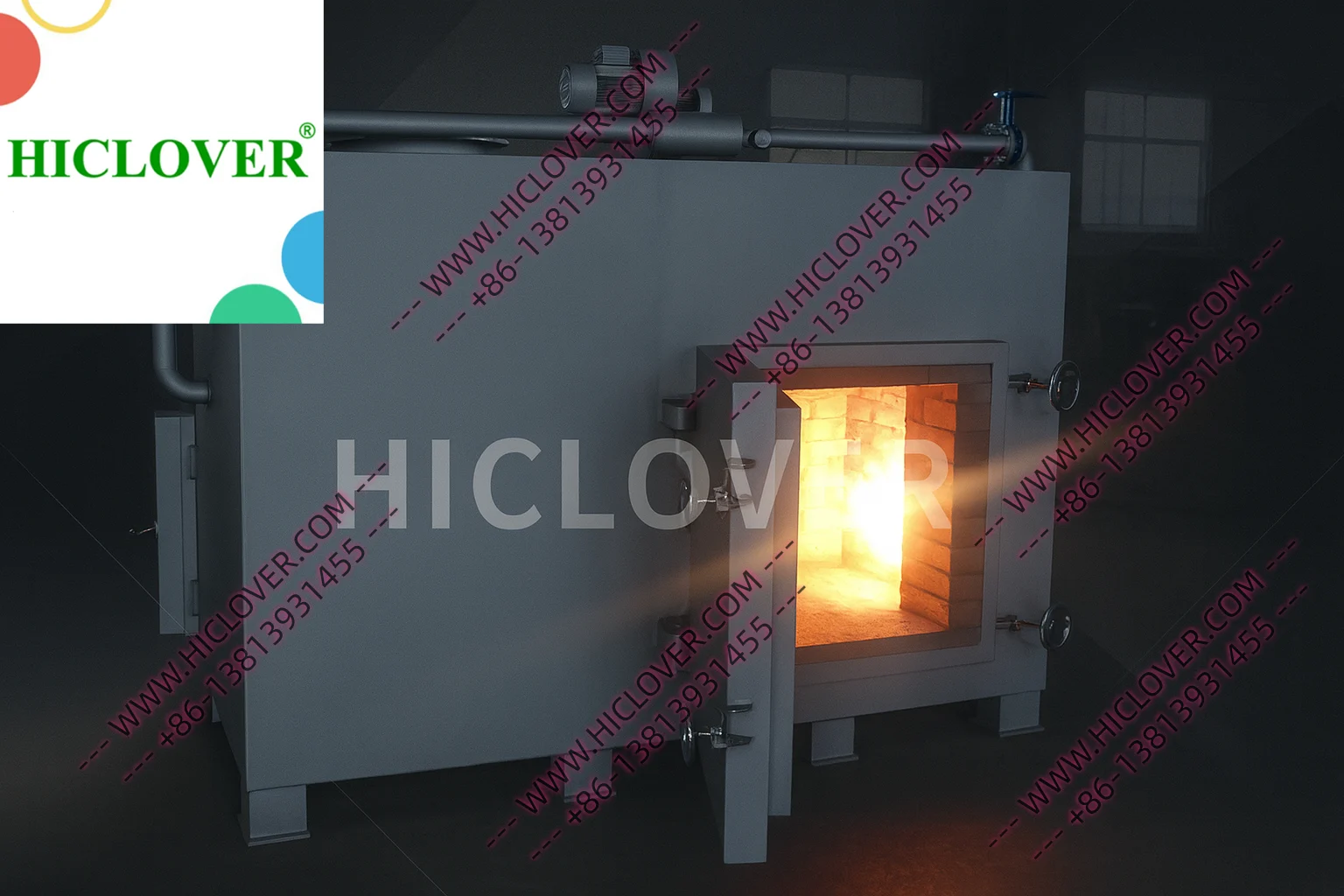

Malawi Waste Incinerator Market Report: Demand, Trends, and the Role of Modern Incineration Technologies
1. Overview of Malawi’s Waste Management Landscape
Malawi, with key cities such as Lilongwe, Blantyre, Mzuzu, and Zomba, faces growing pressure to upgrade its waste treatment systems. Population growth, expanding healthcare services, and rapid urbanization have increased the volume of municipal and medical waste. Many districts still rely on open dumping or uncontrolled burning, a practice that raises concerns for public health and environmental management across the country.
The Government of Malawi, supported by international institutions including the United Nations, UNDP, and WHO, has begun promoting safer and more compliant waste-handling methods. This shift has accelerated demand for engineered waste incinerators capable of operating in both urban and remote environments.
2. Key Market Characteristics
The waste incinerator segment in Malawi is shaped by distinctive structural factors:
-
Mixed waste streams dominated by organic fractions, requiring stable high-temperature combustion.
-
Increasing medical waste volumes, especially in hospitals in Lilongwe and Blantyre, where existing treatment capacity is limited.
-
Rural clinics and community health centers across districts such as Dedza, Nkhatabay, and Mangochi requiring small, reliable, and easy-to-maintain incineration units.
-
Environmental compliance expectations influenced by donor-funded programs and UN-led healthcare improvements.
These characteristics create a market that values robustness, energy efficiency, flexible fuel options, and straightforward operation.
3. Market Demand and Emerging Trends
Several trends define the evolving market opportunity in Malawi:
-
Healthcare system modernization
Hospitals in Lilongwe and Blantyre increasingly require compliant medical waste incinerators with multi-chamber systems to meet international safety standards. -
Humanitarian operations and refugee-support programs
United Nations agencies play a major role in deploying standardized waste treatment solutions in emergency response operations, field clinics, and temporary settlements. -
Urban expansion and rising waste density
Cities such as Mzuzu and Zomba generate growing amounts of mixed municipal waste, reinforcing the need for higher-capacity waste destruction technology. -
Decentralized infrastructure
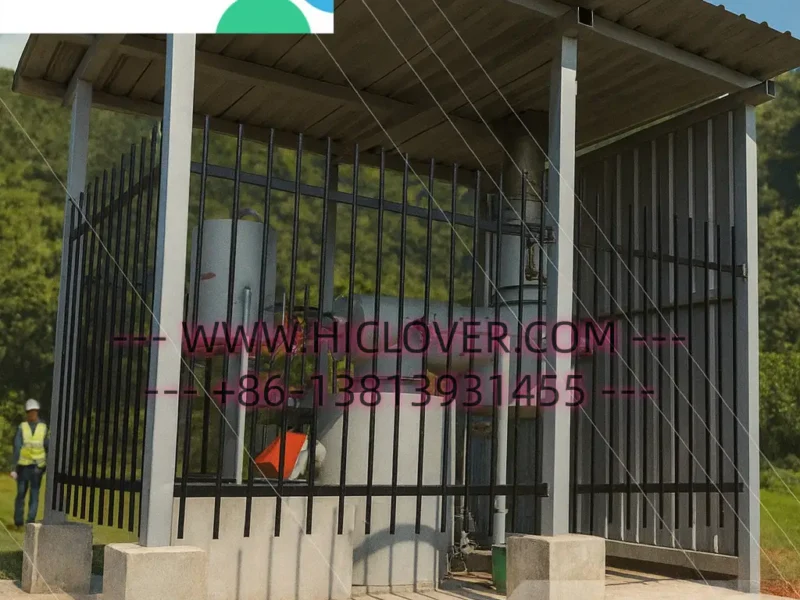
Many rural areas lack proper landfills or treatment centers, increasing demand for mobile, containerized, or standalone incinerator systems that function without extensive civil works.
4. Suitability of Incineration Solutions for Malawi’s Waste Conditions
Malawi’s waste profile presents operational challenges―high moisture content, inconsistent sorting, and limited energy value. Appropriate incinerator design must therefore include:
-
Secondary combustion chambers for complete burnout and emissions control.
-
Diesel or LPG burners capable of stabilizing combustion even with wet or low-calorific waste.
-
Top-loading or batch-loading designs suitable for community waste and bulky refuse.
-
Rapid deployment capability, allowing systems to be placed in remote areas with minimal installation work.
These requirements closely align with technologies commonly adopted in UN-supported programs across Sub-Saharan Africa.
5. HICLOVER Incinerators: Advantages for the Malawi Market
HICLOVER offers a full range of waste incineration solutions that match Malawi’s market conditions and institutional expectations:
-
Top-loading municipal waste models suitable for Blantyre, Zomba, and district-level waste facilities.
-
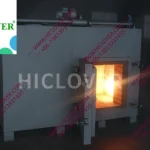
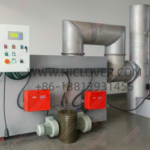
Medical waste incinerators with multi-stage combustion, ideal for hospitals in Lilongwe and Mzuzu.
-
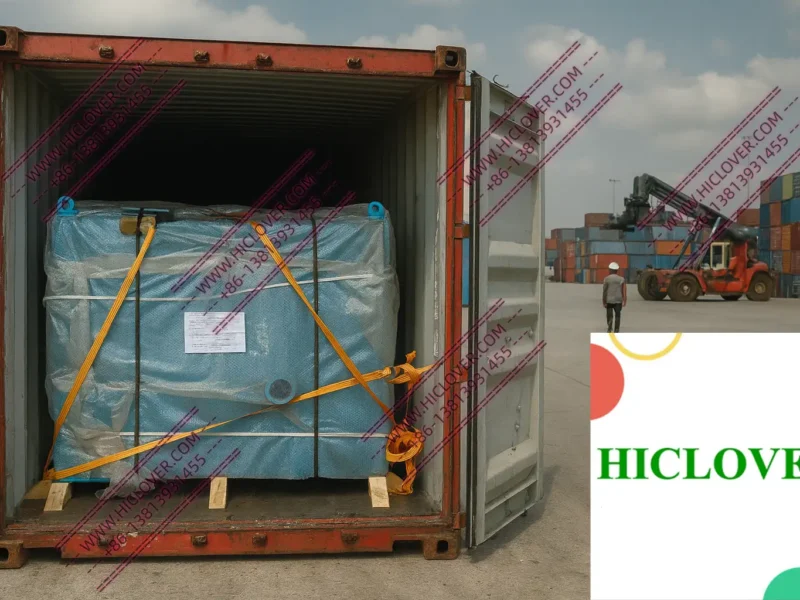
Containerized or mobile incineration units, widely used by NGOs and UN missions where mobility, safety, and rapid deployment are essential.
-
Optional wet scrubber or dry filtration systems that support stricter environmental requirements in donor-funded projects.
-
Durable refractory structures and automated burners, providing consistent performance under challenging field conditions.
-
Reliable long-term operation, a critical requirement for institutions seeking stable waste-handling solutions.
https://www.hiclover.com
https://www.hiclover.com/incinerator/
https://www.hiclover.com/mobile-incinerator/
https://www.hiclover.com/medical-waste-incinerator/
https://www.hiclover.com/top-loading-incinerator/
6. Additional Highlight: Waste Treatment in Lakeshore and Agricultural Regions
Malawi’s lakeshore districts―including Salima, Karonga, and Nkhotakota―face unique environmental sensitivities. Tourism, fishing communities, and agricultural activities contribute to increasing waste pressure along Lake Malawi. Proper disposal of medical waste, animal by-products, and community waste is essential to prevent contamination of water sources. Incinerators designed for fuel-efficient operation and low emissions provide practical solutions where environmental protection is a priority.
7. Market Outlook
The Malawi incinerator market is projected to grow steadily due to:
-
Continued improvements in national healthcare infrastructure.
-
Waste management initiatives supported by the United Nations, NGOs, and regional development partners.
-
Government interest in safer disposal solutions for rural and peri-urban communities.
-
Rising public awareness of environmental health risks.
-
Increasing demand for mobile, flexible, and emission-controlled equipment.
This combination positions Malawi as an emerging and strategically important market for modern waste incineration solutions.
Malawi’s evolving waste management system requires practical, reliable, and compliant incineration technologies that can operate across diverse environments―from the urban centers of Lilongwe and Blantyre to smaller districts and humanitarian field sites.
HICLOVER’s engineered incinerator solutions, with their strong performance, multi-chamber safety design, and adaptability to remote deployment, effectively meet these needs. Their alignment with UN and NGO field standards further enhances their suitability for long-term waste treatment across Malawi.
2025-12-11/14:17:14
|
Incinerator Items/Model |
HICLOVER TS100(PLC)
|
|
Burn Rate (Average) |
100kg/hour |
|
Feed Capacity(Average) |
150kg/feeding |
|
Control Mode |
PLC Automatic |
|
Intelligent Sensor |
Continuously Feeding with Worker Protection |
|
High Temperature Retention(HTR) |
Yes (Adjustable) |
|
Intelligent Save Fuel Function |
Yes |
|
Primary Combustion Chamber |
1200Liters(1.2m3) |
|
Internal Dimensions |
120x100x100cm |
|
Secondary Chamber |
600L |
|
Smoke Filter Chamber |
Yes |
|
Feed Mode |
Manual |
|
Burner Type |
Italy Brand |
|
Temperature Monitor |
Yes |
|
Temperature Thermometer |
Corundum Probe Tube, 1400℃Rate. |
|
Temperature Protection |
Yes |
|
Automatic Cooling |
Yes |
|
Automatic False Alarm |
Yes |
|
Automatic Protection Operator(APO) |
Yes |
|
Time Setting |
Yes |
|
Progress Display Bar |
3.7 in” LCD Screen |
|
Oil Tank |
200L |
|
Chimney Type |
Stainless Steel 304 |
|
1st. Chamber Temperature |
800℃–1000℃ |
|
2nd. Chamber Temperature |
1000℃-1300℃ |
|
Residency Time |
2.0 Sec. |
|
Gross Weight |
7000kg |
|
External Dimensions |
270x170x190cm(Incinerator Main Body) |
|
Burner operation |
Automatic On/Off |
|
Dry Scrubber |
Optional |
|
Wet Scrubber |
Optional |
|
Top Loading Door |
Optional |
|
Asbestos Mercury Material |
None |
|
Heat Heart Technology(HHT) |
Optional |
|
Dual Fuel Type(Oil&Gas) |
Optional |
|
Dual Control Mode(Manual/Automatic) |
Optional |
|
Temperature Record |
Optional |
|
Enhanced Temperature Thermometer |
Optional |
|
Incinerator Operator PPE Kits |
Optional |
|
Backup Spare Parts Kits |
Optional |
|
Mobile Type |
Optional:Containerized/Trailer/Sledge Optional |