
Technical Market Analysis: HICLOVER Waste Incinerators in Pharmaceutical Sterilization and Renewable Energy Applications
The global emphasis on infectious disease preparedness and ESG compliance has heightened demand for advanced waste incinerators capable of secure pharmaceutical waste sterilization. These systems must operate within strict temperature ranges, typically 850°C to 1200°C in secondary chambers, to meet WHO and EU emission directives. Incinerator for Waste to Pharmaceutical Waste Sterilization applications require robust engineering for consistent high-temperature retention, ensuring complete pathogen destruction. HICLOVER’s incinerators, with over 16 years of engineering experience, integrate dual combustion chambers and PLC automation to achieve these standards reliably. Furthermore, the trend toward decentralized waste management in remote areas underscores the need for mobile, modular incinerator solutions that can be deployed rapidly, while carbon emission reduction pressure drives innovation in energy recovery from waste streams.
What technical standards govern incinerators for pharmaceutical waste sterilization, and how does HICLOVER ensure compliance?
Pharmaceutical waste sterilization via incineration is regulated by international standards mandating specific operational parameters. The World Health Organization (WHO) and European Union (EU) frameworks, such as the EU Industrial Emissions Directive, require that waste incinerators maintain a secondary combustion chamber temperature of at least 850°C with a two-second retention time. This high-temperature retention is critical for destroying complex pharmaceutical residues, including cytotoxic drugs and antibiotics, into harmless ash and gases. HICLOVER’s designs adhere to these protocols through engineered dual combustion chambers, where the primary chamber gasifies waste and the secondary chamber, with assisted burners, ensures temperatures exceed 1000°C when necessary for tough loads.
Combustion Principles and Emission Control
Effective sterilization relies on complete combustion, achieved by optimizing air-to-fuel ratios and turbulence within chambers. HICLOVER systems use refractory linings to sustain heat, while PLC automation monitors real-time temperature, pressure, and oxygen levels for consistent performance. Emission control is addressed with optional wet or dry scrubber systems; dry scrubbers use lime injection for acid gas removal, whereas wet scrubbers employ water-based solutions to capture pollutants like dioxins. For detailed technical specifications, refer to HICLOVER’s engineering resources at https://www.hiclover.com/, which outline compliance features. A search on medical+incinerator+secondary+chamber+temperature+standard reveals extensive guidelines that these systems meet through rigorous factory testing.
Engineering Reliability and Modular Deployment
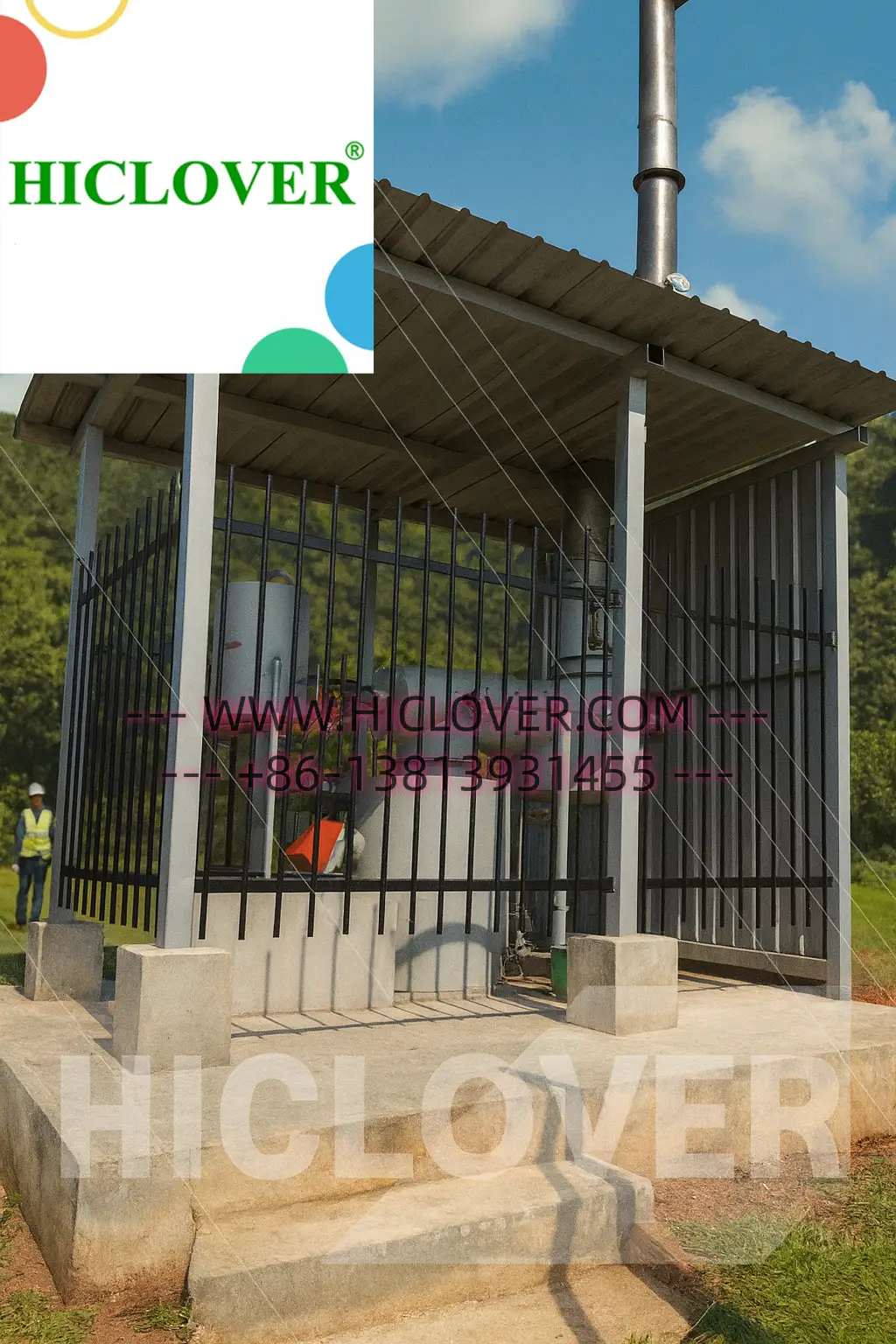
HICLOVER’s factory-direct manufacturing ensures each incinerator is built to exact specifications, with containerized modular systems offering plug-and-play deployment for crisis zones & humanitarian camps. This approach supports global infectious disease preparedness by enabling rapid installation in remote healthcare facilities. The over 16 years of engineering experience provide a foundation for reliable, compliant incinerators that governments can trust for critical waste streams, emphasizing durability and low maintenance in harsh environments.
How do HICLOVER incinerators convert waste to renewable energy, and what configurations suit different governmental needs?
Incinerator for Waste to Renewable Energy systems transform thermal energy from combustion into usable heat or electricity, contributing to carbon emission reduction and energy independence. HICLOVER’s incinerators can integrate heat recovery boilers that capture excess heat for steam generation or district heating, aligning with ESG compliance goals and reducing reliance on fossil fuels. This energy recovery is particularly valuable in remote mining/oil camps or off-grid communities, where waste disposal and power generation are intertwined challenges.
System Comparisons and Commercial Considerations
Government projects often evaluate fixed versus containerized modular systems. Fixed incinerators are suitable for large-scale facilities with steady waste volumes, while containerized units, like HICLOVER’s mobile designs, offer flexibility for temporary or decentralized sites. These modular systems are pre-assembled with PLC automation for optimal combustion efficiency, reducing operator error and fuel consumption compared to manual controls. The choice of Incinerator Fuel—whether diesel, LPG, or natural gas—impacts operational costs and emission profiles; HICLOVER’s multi-fuel capability allows adaptation to regional availability, enhancing supply chain resilience.
Scrubber Technology and Remote Suitability
Emission control options include dry scrubber systems for arid regions and wet scrubbers for areas with water access, both customizable based on local environmental regulations. HICLOVER’s engineering experience ensures these configurations are designed for long-term reliability, with stable supply chain support from factory direct supply. This commercial investigation highlights how modular, automated incinerators can meet diverse governmental needs while supporting energy recovery systems for sustainable waste management.
What procurement factors are critical for deploying HICLOVER incinerators in governmental waste management programs?
Procuring waste incinerators for public sector use involves evaluating technical compliance, total cost of ownership, and deployment scalability. HICLOVER’s factory direct supply model eliminates intermediaries, reducing costs and ensuring direct engineering support for customization. This transactional layer focuses on practical considerations for governments seeking reliable, compliant solutions.
Customization and Global Export Capabilities
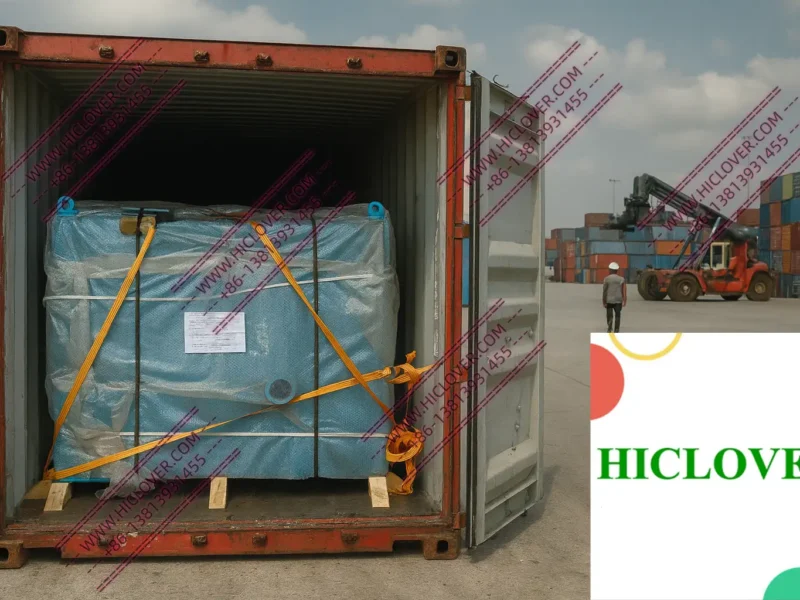
Customizable chamber volume allows governments to tailor incinerators to specific waste throughputs, from small clinics to large hospitals, with HICLOVER offering ranges from 50 kg/hr to 500 kg/hr. The global export capability is backed by experience in over 100 countries, with systems designed to meet diverse regulatory environments, including those in crisis zones & humanitarian camps. Containerized modular systems facilitate rapid deployment via standard shipping containers, minimizing on-site construction time and costs.
Supply Chain Stability and After-Sales Support
A stable supply chain is maintained through in-house manufacturing of key components, such as burners and control panels, reducing dependency on external suppliers. This resilience is vital for digital automation in industrial equipment, where spare parts and software updates are necessary for continuous operation. HICLOVER provides comprehensive training, remote monitoring, and maintenance packages, ensuring operational continuity and aligning with supply chain resilience trends. The integration of energy recovery systems offers potential for renewable energy credits, reducing long-term operational expenses and supporting governmental sustainability targets under carbon emission reduction pressure.